Get the Right UK Mortgage Guidance for your Home or Buy-to-let Property
Become mortgage-ready, understand the mortgage options, and get connected with our verified FCA-authorised UK mortgage brokers.
Secure Wealth Property Group is not authorised or regulated by the Financial Conduct Authority and does not provide financial, legal or mortgage advice. Where appropriate, with your consent, mortgage advice is provided by our verified panel of FCA-authorised UK mortgage brokers.
Introduction to UK Mortgages
UK Mortgages Explained
A mortgage is a loan secured against a property. This is commonly used to purchase or refinance a residential home, buy-to-let investment property, or commercial property in the UK.
Typically, such a loan is arranged to be repaid over an agreed term. Many first-time UK home buyers get a mortgage with a term of 25 to 35 years, with interest charged by the bank or lender. For property investors, there is an option to choose between interest-only and repayment options.
In the UK, 100+ banks, building societies, and specialist lenders offer mortgage products with varying rates, fees, terms, and eligibility criteria.
UK Mortgage Eligibility Criteria
Each lender applies its own mortgage eligibility criteria, affordability models, and
risk assessments, which is why the mortgage process can feel complex, especially
for first-time home buyers, first-time landlords, and overseas investors.
Mortgage eligibility can be influenced by several factors, including:
- Income and employment status
- Deposit amount
- Credit history
- Property type and use
- Immigration status
- Whether you are buying personally or through a limited company
Understanding how these factors affect you is essential before you apply for a
mortgage, as applying for the wrong type can lead to delays, declined applications,
or unnecessary costs.
We want you to have a clearer overview of how mortgages work in the UK, the
main mortgage pathways available, and to know when it may be helpful to speak
with an FCA-authorised mortgage broker for regulated advice.
UK Mortgage Types Explained
There is no single “best” mortgage for anyone, so understanding the UK mortgage types will give you better insight into how the mortgage market works ahead of speaking with a mortgage broker or your bank.
Buy-to-let Mortgage in Personal Name
Find out the criteria and deposit amount for buy-to-let mortgages, even if you're a first-time property investor.
Buy-to-let Mortgage in a Limited Company
Explore how to get a buy-to-let mortgage in your new or existing UK limited company.
UK Mortgage Repayment Types
Find out how your mortgage repayment options, interest rates, and other factors affect your mortgage.
First-Time Buyer Residential Mortgage
Buying your first home in the UK, here's everything you need to know about getting a mortgage.
Remortgage or Refinance
Find out how switching your lender or mortgage product can help you find a cheaper rate or raise money.
Bridging and Development Finance
Explore how a bridging loan can help you facilitate a quick purchase via auction or buy a development property.
Buy-to-Let Mortgages in Personal Name
A buy-to-let (BTL) mortgage is a loan product designed for properties
purchased as rental investments, where the property generates income from
tenants living there.
Be informed that most lenders do not permit you or your family to live in a
property purchased with a buy-to-let mortgage. Doing so would be considered
a breach of your mortgage terms.
Property Investors can choose to get a buy-to-let mortgage in their personal
name rather than in a limited company. A personal-name buy-to-let product
can sometimes offer a cheaper interest rate.
When you speak with an FCA-authorised mortgage adviser, it’s sensible to
review and compare multiple mortgage products before proceeding.
Buy-to-let mortgages in a personal name are often considered by
- First-time landlords
- Individual investors building a rental portfolio
- Overseas landlords
Key characteristics
- Deposit Amount: around 25% of the property purchase price
- Rental income is stress-tested by the lender
- Available on repayment or interest-only
Important to know
- Buy-to-let mortgages in the UK are assessed differently from residential mortgages and often involve stricter eligibility criteria.
- If you buy a buy-to-let property as your first property in the UK, you might lose your first-time buyer stamp duty exemptions. You should seek independent legal advice before proceeding.
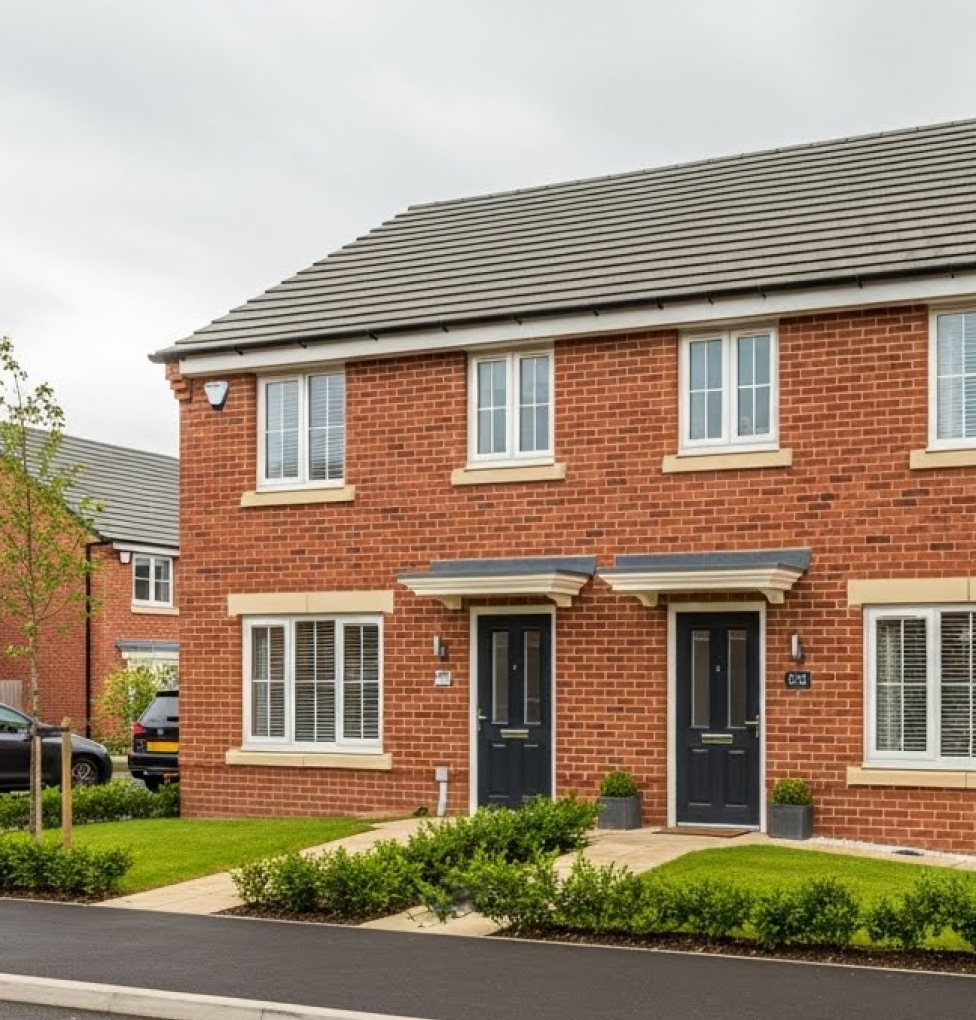
Buy-to-Let Mortgages in Limited Company
Limited company Buy-to-let mortgage have become more popular in the UK mortgage market.
These mortgages are used by property investors who want to purchase a property through a UK-registered limited company, rather than in an individual’s personal name.
This structure is commonly used by investors who are planning for long-term portfolio growth, tax efficiency, or future scalability of their property portfolio.
Buy-to-let mortgages in a limited company are often considered by
- First-time buyer planning long-term scaling
- Experience property investors & portfolio landlords
- UK Higher-rate taxpayers
Key characteristics
- Deposit Amount: around 25% of the property purchase price
- Interest rates can vary in comparison to personal BTL
- Company directors are usually required to provide personal guarantees
Important to know
- Many investors explore limited company structures for tax planning and portfolio growth, but the structure should be considered carefully, and ensure you use the appropriate SIC code.
- You can set up a new limited company for property investment, as lenders don’t require a trading history of the company.

First-Time Buyer Residential Mortgages
A residential mortgage is used to purchase a property that you intend to live in as your primary home in the UK. If you’re a first-time buyer, this will be your first experience navigating the UK mortgage market, which can feel complex due to the number of products, interest rates, and repayment options available.
Commonly considered by
- First-time buyers purchasing their main residence
- Returning expatriates
- Households planning to own their home outright at the end of the term
Key characteristics
- Deposit amount: around 5% - 10% of the property purchase price
- Affordability assessed on income and outgoings
- Full ownership at the end of the mortgage term if on a repayment term
Important to know
- Residential mortgages are regulated products in the UK and require that you get advice from an FCA-authorised mortgage broker.

Mortgage Repayment Type
The type of mortgage product you need for your property purchase will depend on the type of property and how you plan to use the property after you buy it. For example, whether you're going to live in the property as your primary residence or you intend to buy and let it out to a tenant.
Once you’ve understood the type of mortgage you need, the next decision is how your mortgage will be structured in terms of loan repayment method and interest rate. Your mortgage repayment type will directly affect your monthly payments and long-term costs.
Repayment vs Interest-Only Mortgages
A repayment mortgage will require that you pay back both the interest and the capital you've borrowed each month. It means that over the life of your mortgage, the loan balance gradually reduces until it is fully repaid. At the end of this mortgage, you own 100% of the property.
An interest-only mortgage requires monthly interest payments and no payment on the capital borrowed. The original loan amount must be repaid in full at the end of the mortgage term, usually via a separate repayment strategy.
Important to know
- Interest-only mortgages are generally more common for buy-to-let investors than first-time buyers purchasing their residential property.

Remortgaging or Refinancing your property
Remortgaging or refinancing your property can help you take advantage of cheaper interest rates or release equity from your home. To release equity from your residential property, you can either increase the loan amount or take out a mortgage on the property if it's currently owned outright.
A remortgage of your current mortgage means you're switching to a new mortgage product either with your current lender or a new lender. Many property owners consider remortgaging when their initial fixed mortgage term is nearing its end, or when their full mortgage term is about to end.
When considering remortgaging or refinancing, the best time to speak with a mortgage broker to know how restructuring your mortgage could help you is when the initial period of your current mortgage is about to end.
Refinancing is commonly considered for
- Securing a lower interest rate
- Releasing equity or restructuring your debt
- Switching from bridging loan to buy-to-let
Remortgaging is commonly considered for
- switching to a new mortgage product with your current lender
- switching from your current lender to a new lender
Key characteristics
- Can reduce monthly payments
- Can release equity for investment
- May require valuation and affordability checks
Important to know
- Timing and structure matter. Remortgaging too early or without planning can create unnecessary costs.
Bridging and Development Finance
Bridging and development finance is a short-term loan designed to fund property purchases quickly. A bridging loan is incredibly valuable when traditional mortgages are not suitable or fast enough to meet auction terms.
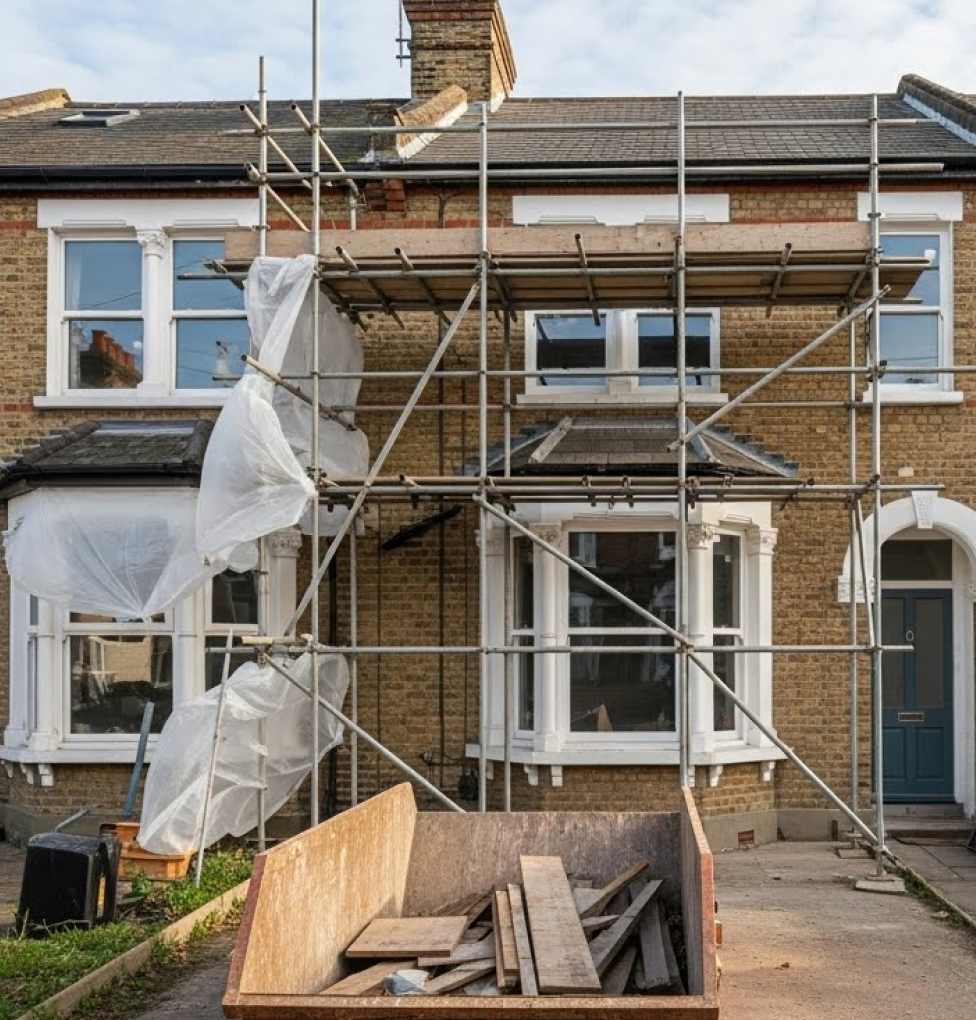
As a property investor scaling up your investment portfolio, bridging and development finance can enable you to purchase and renovate a property to increase its potential for residential and commercial use. Leveraging the property's increase end value, you can exit the bridging loan by taking on a traditional buy-to-let mortgage to pay off the bridge lender.
Bridging Finance is commonly considered for
- Buying an auction property
- Properties requiring development or refurbishment
- Time-sensitive property purchase
Key characteristics
- Quick and flexible
- Short-term lending with higher interest rates
- A clear exit strategy is required
Important to know
- Bridging finance is not a long-term solution, and without a clear exit strategy, it can be risky, given the high interest rate.
Resources & Guides
Explore free property guides, expert insights, checklists, and tools tailored to help you make smarter property decisions.
Frequently Asked Questions About UK Mortgages
Most hands-off property investments require a 25% mortgage deposit or a 100% cash purchase. Fixed return investments typically start from £10,000–£100,000 depending on the project.
Yes. Many of our clients live in the UAE, US, Europe, and Africa. We provide full transparency, remote support, local due diligence, and handle everything on your behalf.
Our sourced properties have achieved average rental yields of 8–10% in Hull & Yorkshire. Fixed-return investors receive a pre-agreed return outlined in the investment agreement.
On average, our clients secure an investment property within the first 90 days of their initial strategy consultation.
On average, our clients secure an investment property within the first 90 days of their initial strategy consultation.
On average, our clients secure an investment property within the first 90 days of their initial strategy consultation.